<img height="1" width="1" style="display:none" src="https://www.facebook.com/tr?id=115389302216927&amp;ev=PageView&amp;noscript=1">
LET'S TALK
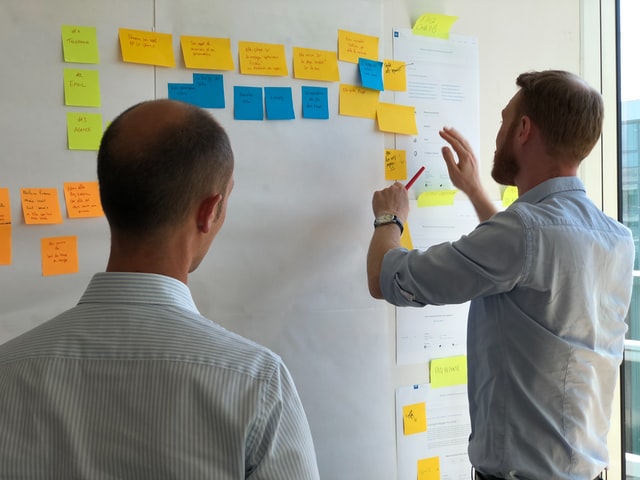
Two people working with post-it notes - small

Planning and Analysis Modules

Build a foundation that connects your learning design to what actually needs to change in the workplace.


About The Planning and Analysis Modules

Most L&D professionals recognise the importance of analysing learners, content and objectives. This content stream focuses on doing that work in ways that help maximise effective application of learning.

In practice, that means taking a deeper look at:

  • what people actually need to do differently - not just what they need to know
  • who your learners really are, including what might help or hinder change, and
  • how to make sense of complex, often conflicting content.
 

What Are The Available Modules?

These are the three modules you can choose from in the Planning and Analysis content stream:


PA01: Setting The Scene

This module explores three crucial elements to consider before you get started with your instructional design:

  • How changing views on and theories of instructional design exert significant influence over how we all think about learning and learning design.
  • How to identify and leverage likely levels of motivation amongst your learners.
  • How to work with others in your organisation to establish a framework for evaluating your learning, from the outset.

Module length: 1.5 hours

fc1bb0cc-5961-4f91-ba6c-e0d2f2b195a9


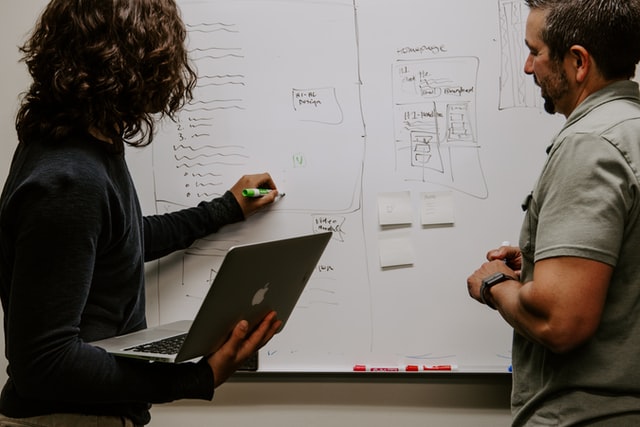
Pair working on whiteboard - small
 

PA02: Getting Up And Running

This very task-focused module guides you through several key areas of your early stage analysis work:

  • Gathering information to help form a clear picture of your learners
  • Identifying their needs to define relevant performance and learning outcomes

The module also explores how to align those outcomes with the evaluation framework introduced in module PA01.

Module length: 2 hours

fc1bb0cc-5961-4f91-ba6c-e0d2f2b195a9

Three people looking at a laptop - small
 

PA03 Analysing and Scoping Your Content

This module shows you how to:

  • use a simple set of pre-defined content categories to unpick and streamline an SME 'brain dump'
  • use those pre-defined categories to plug gaps or remove any inaccuracies in your content, and
  • turn them into a meaningful content outline - the foundation for creating learner-centred courses and modules.


Module length: 1 hour

fc1bb0cc-5961-4f91-ba6c-e0d2f2b195a9

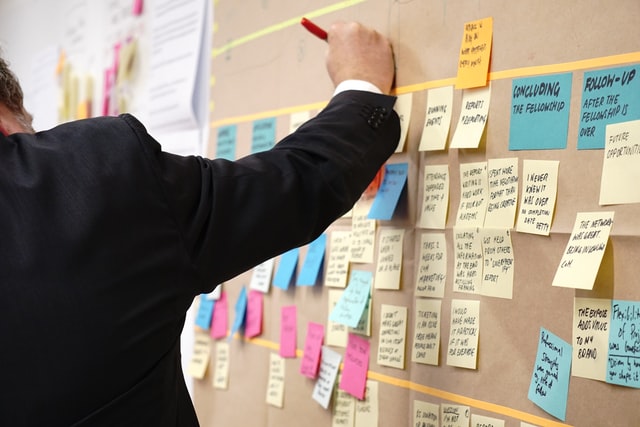
Man working with post-it notes - small

ITOL Accredited Centre Logo


ITOL Accredited Certificate

As an ITOL Accredited Centre, all our courses and programmes count towards badges, certificates or diplomas. 

By including any 4 modules from the following content streams in your in-house programme (Planning and Analysis; Instructional Design Fundamentals; Face-to-Face Classroom Design) and successfully completing the formal end of modules assessment, you’ll receive an ITOL accredited Certificate in Instructional Design Fundamentals.

Planning and analysis doesn't have to feel like guesswork

Many people working in L&D already cover the right ground at the start of a project - learners, objectives, content.

But, what often makes the most difference to the success of a project isn't what you look at but how deeply you look and what you choose to question.

Learning Re-Framed is a weekly Substack where Pacific Blue Co-Founder Andrew Jackson, explores familiar L&D practices. How they can be refined and re-framed. How they can better support successful application of learning in day-to-day work.


Designing Learning
 

Available Delivery Mediums

All of the modules in the Planning and Analysis content stream are available in the following delivery mediums:

Download a Learning Re-Framed Programme Brochure...

If you need more information about our Learning Re-Framed in-house or public programme download one of the comprehensive brochures shown below:


Browse More Modules?

Ready to take a look at the modules in other content streams? Use the links below or the main site menu above.


Ready to put together a programme or just need some help?


Get some help

If you have any questions, or need some help with any aspect of the programme:
 
Click on the button below to use our help form; call us on 0845 122 7102 or email us at: enquiry@pacificblue.co.uk 

  
Click to Ask your question or get help
 

Putting it all together

If you are ready to put your modules together into a customised in-house course, take a look at the How does it all work? page.

This explains how you can put together the modules you want into a customised programme.

  • The minimum length for a programme is half a day face-to-face or 3 hours of virtual classroom time
  • The maximum length is determined by however many modules you want to include
 

A practical starting point to go a little deeper

If you’re grappling with the early stages of a learning project — clarifying what really needs to change, making sense of messy content, or deciding where to focus your effort — this short guide may be helpful.

The Essential Step-by-Step Guide to Instructional Design doesn’t offer a new methodology or a silver bullet. Instead, it captures a set of practical principles that experienced practitioners often arrive at through trial and error.

Inside, you’ll explore how to:

  • avoid defaulting to long, content-heavy presentations
  • think more deliberately about practice and application
  • design learning that has a better chance of influencing what people actually do at work

It’s a useful reference point — particularly if you’ve found yourself doing the right things, but not always getting the results you’d hoped for.

If this way of thinking resonates, you may also want to subscribe to Learning Re-Framed, which explores these ideas (and their limits) in more depth through short, weekly reflections.

Download the guide below if it’s useful — and feel free to treat it as one input into a wider conversation.


Signpost small